www.crestowedding.com


Kristin & Matthew
Kristin & Matthew
What to Do
Jersey Shore - Cape May

Take time to enjoy the Jersey Shore!
Cape May City’s beaches are family friendly, clean, and close to restrooms and food. They run approximately 2.5 miles parallel to Beach Avenue and are within walking distance from most accommodations.
Beach tags are required (ages 12 and up) on all beaches from Memorial Day Weekend through Labor Day during guarded hours. They are available at all beach entrances and at City Hall.
The Cape May Beach Patrol protects the beaches from The Cove to Poverty Beach from 10am – 5pm from July 1 through Labor Day.
Lifeguards respond to water and medical emergencies. There are always several NJ Department of Health certified EMTs on duty in the summertime.
Please clean up after yourself and remove anything you bring with you.
Cape May Lighthouse

Climb the 199 steps up the original, cast iron spiral stairway to the top of the 1859 Cape May Lighthouse and see a staggering view of the Delaware Bay and Atlantic Ocean, the surrounding nature trails of Cape May Point State Park, and Cape May Point Borough. Interpretive panels on the grounds, at the base and on the climb tell stories of Lighthouse Keepers, the surrounding area, and how the lighthouse functioned historically and today. The Cape May Lighthouse is a state historic site and the third beacon at this location. Still an active aid to navigation, it was restored and is maintained by Cape May MAC (Museums+Arts+Culture). Since Cape May MAC opened it to the public in 1988, more than 2.5 million visitors have climbed to the top.
Accessibility: https://capemaymac.org/plan/accessibility/
Historic Trolley Tour Cape May NJ

Known as the “Queen of the Seaside Resorts” for its quaint Victorian cottages and pristine beaches, Cape May is the oldest seaside resort in the country, and in 1976, the entire city was declared a National Historic Landmark. Possessing one of the country's largest collections of 19th century seaside wood framed buildings, the historic district features a variety of styles of Victorian architecture. Tour guides will explain Cape May’s history and architecture and how and why it has survived and thrives to this day. The tour is newly updated with contributions of Cape May’s Black community recently documented and entered into the New Jersey Register of Historic Places and into the National Register of Historic Places. Offered year-round either separately or as combo tours. Begins and ends at the Ocean Street Trolley Stop.
Begins and ends at the Ocean Street trolley stop. Allow ample time to find parking. We cannot guarantee large parties will sit together unless they plan to arrive early to secure seats.
Cape May County Park & Zoo

The Cape May County Park & Zoo in the Cape May Court House section of Middle Township, New Jersey, provides free year-round admission to a collection of more than 550 animals representing 250 species in 85 acres of exhibits. The zoo is located at 707 U.S. Route 9 North, in the center of Cape May County's Central Park.
Liberty Bell Center
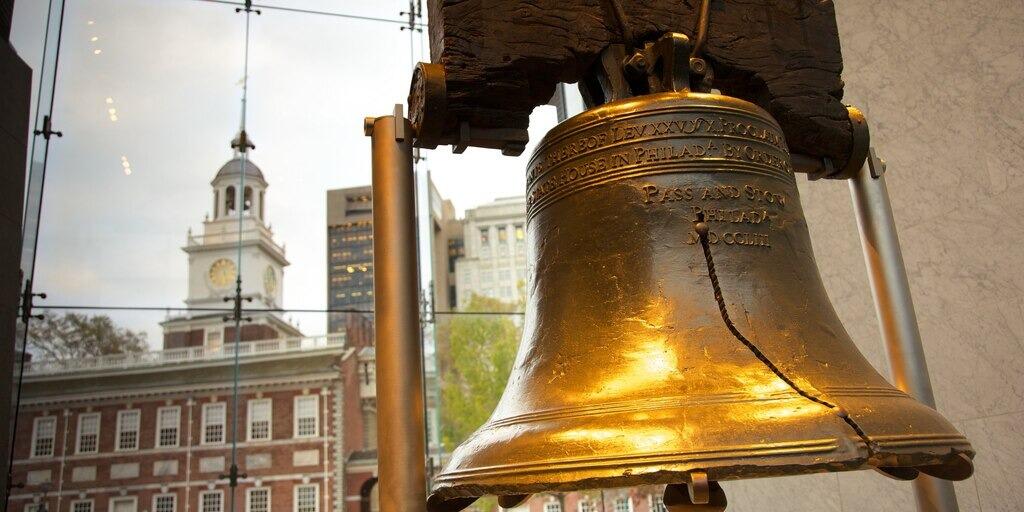
The Liberty Bell, previously called the State House Bell or Old State House Bell, is an iconic symbol of American independence located in Philadelphia. Originally placed in the steeple of Pennsylvania State House, now known as Independence Hall, the Liberty Bell today is located across the street from Independence Hall in the Liberty Bell Center in Independence National Historical Park.
The bell was commissioned in 1752 by the Pennsylvania Provincial Assembly from the London-based firm Lester and Pack, later renamed the Whitechapel Bell Foundry, and was cast with the lettering "Proclaim LIBERTY Throughout all the Land unto all the Inhabitants Thereof".
Rocky Statue

The Rocky Statue and the “Rocky Steps” are two of the most popular tourist attractions in Philadelphia.
The Rocky Statue is a larger-than-life bronze sculpture immortalizing the fictional character who has become the city's unofficial underdog mascot, the inspirational tale of a boxer, Rocky Balboa. Originally created for the movie Rocky III in 1982, this statue has become one of Philadelphia’s most famous pieces of public art.
In the original Rocky movie, the fictional boxer, Rocky, ended his morning run with an ascent up the steps of the Philadelphia Museum of Art. This ascent has become symbolic of the city of Philadelphia and its residents, representing that an underdog can become a champion through hard work, determination, and hustle. Every year, tens of thousands of people make the same trek up the 72 "Rocky Steps," making it one of the world's most famous movie locations.